
The short answer
Furnace problems in Simi Valley usually trace to dirty flame sensors, failed igniters, blocked pressure switches, clogged filters or worn blower parts. Climvanta tests combustion and venting along with the fault so the furnace runs safely, not just again.
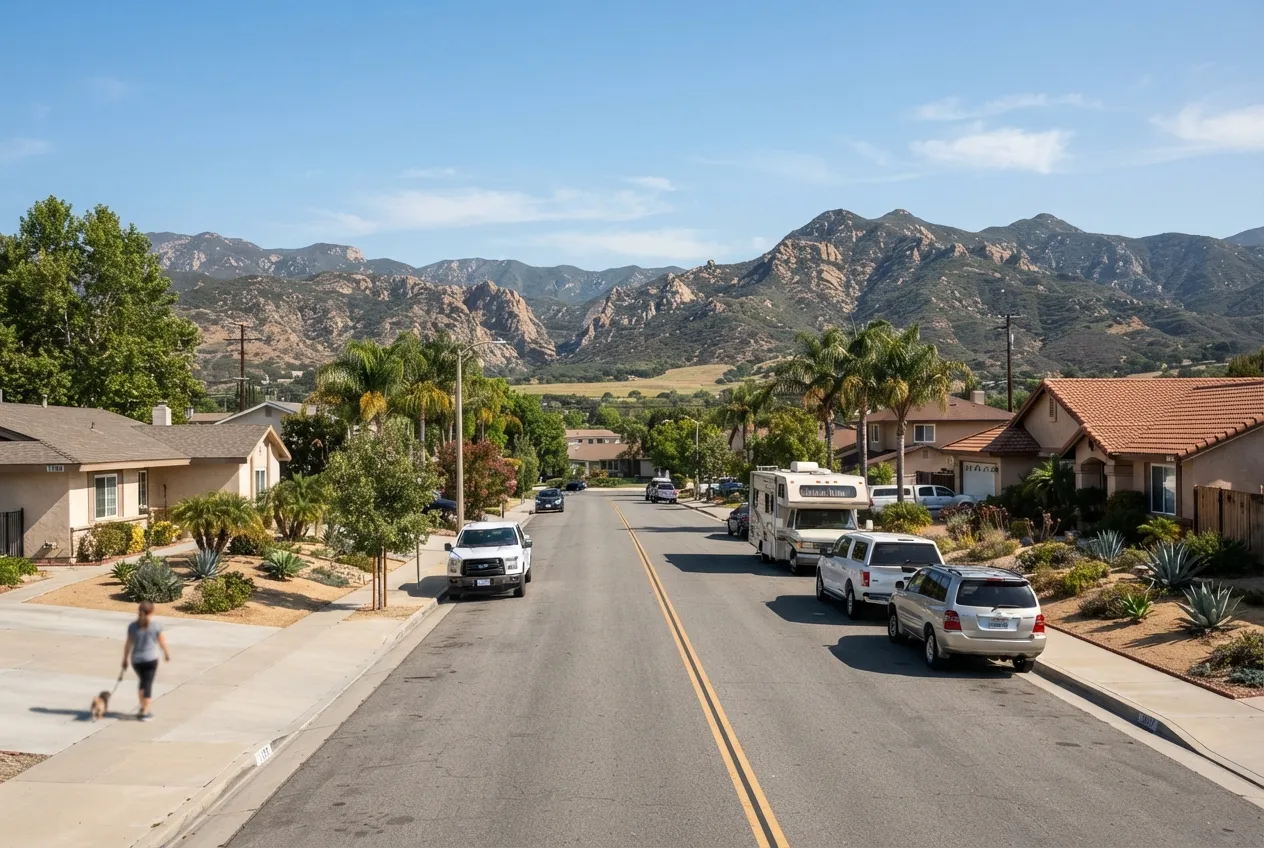
Simi Valley nights drop noticeably colder than the afternoons, and a gas furnace that has sat idle since spring often protests the first time someone turns the thermostat to heat. Climvanta repairs forced-air furnaces throughout 93063 and 93065, driving in from Tarzana about 13 miles to the southeast. We work on the upflow units tucked in hallway closets, the horizontal furnaces laid across attic joists, and the garage installations common in the city's older tracts. Each repair starts with safety checks, because a furnace burns gas inside your home and any shortcut there matters.
Reading the warning signs
Modern furnaces flash a diagnostic code through a small light on the control board. Before you call, it helps to note how many times it blinks, because that narrows the search. Other signals worth mentioning when you book:
- Burners light for a few seconds, then shut off and retry
- A clicking igniter but no flame
- Warm air for a minute, then cold air blowing from the registers
- A burning dust smell that does not fade after the first hour of the season
- Rattling or squealing from the blower compartment
- Yellow, lazy flames instead of a crisp blue pattern
- A carbon monoxide alarm sounding anywhere in the house
If your carbon monoxide alarm goes off
Get everyone outside, leave the door open behind you, and call the gas utility or 911 from outside. Do not restart the furnace. Once the home has been cleared, we can inspect the heat exchanger, venting and combustion air to find where the problem originated. A cracked heat exchanger, a disconnected flue in the attic or a blocked vent cap can all allow combustion gases into living space, and none of them should be patched over.
What our technicians test
A furnace repair is more than swapping the part that failed. We measure gas pressure at the valve, check the igniter resistance, clean and test the flame sensor signal, and verify that the inducer motor creates enough draft to close the pressure switch. On the air side, we look at the blower wheel, motor capacitor, belt on older units, filter and the return path.
We also check temperature rise across the heat exchanger. If it runs too high, the furnace is starved for air and will keep tripping its limit switch; if it is too low, the gas input or blower speed may be off. Those numbers tell us whether the fix should be mechanical, airflow related, or both.
Attic furnaces and dry-season dust
Horizontal furnaces in Simi Valley attics live in heat all summer and in dust year round. Wind off the surrounding hills drives fine dirt into vents and attic spaces, and that grit ends up on flame sensors, inducer wheels and burner ports. A sensor coated in residue is one of the most common reasons a furnace lights and then quits, and cleaning it properly is a quick, inexpensive repair.
For attic units we also check the flue connections and the secondary drain pan on high-efficiency models, since condensate leaks above a ceiling cause damage that is easy to miss until a stain appears.
Repair now, plan the replacement later
When a furnace is older and the repair is significant, owners reasonably ask whether to put money into it. We give you a straight answer based on the heat exchanger condition, the cost of the part, and how the rest of the system looks. If replacement is on the table, keep in mind that South Coast AQMD Rule 1111 limits NOx emissions from natural-gas fan-type central furnaces and is being amended toward zero-emission requirements, so check the current rule before you choose a new gas unit. A heat pump is one alternative many owners now compare, and we can walk through both options without rushing you.
Either way, routine filter changes and a pre-season check in the fall reduce the odds of a cold-night breakdown. We are glad to set that up for homes in Simi Valley and nearby Agoura Hills, Hidden Hills, Westlake Village, Calabasas and San Fernando.
More services in Simi Valley
- AC Repair in Simi Valley
- Heating Repair in Simi Valley
- Heat Pump Installation in Simi Valley
- AC Installation in Simi Valley