
The short answer
Many Burbank furnace calls come from tripped switches, dirty filters, failed igniters or weak flame sensors after months idle. Check the thermostat, switch and filter first; a technician then tests ignition, venting and safety controls and explains repair or replacement options.
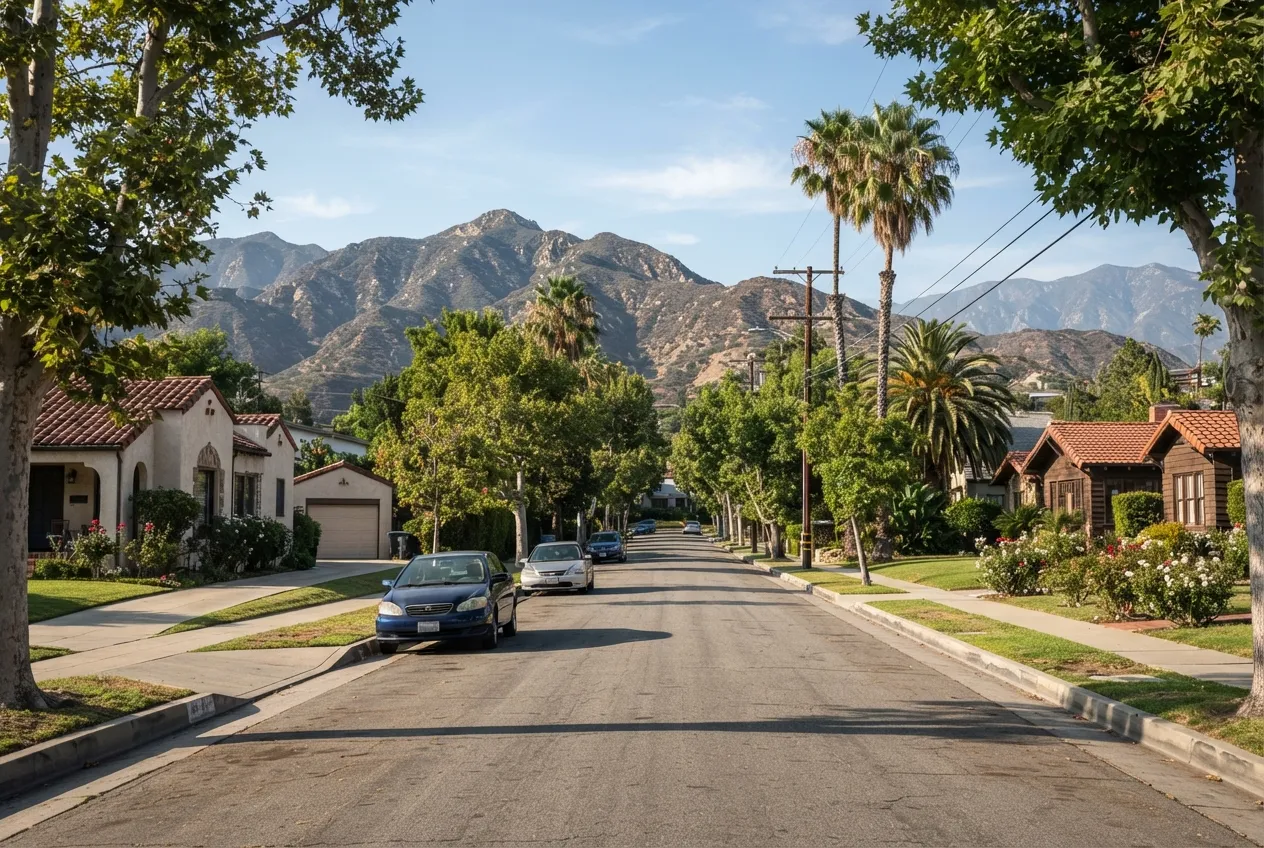
Burbank's winters are short and mild compared with most of the country, but Valley nights can still dip into territory where a working furnace matters, especially in older homes with single-pane windows and little wall insulation. Many furnaces here are tucked into hall closets, garages or attics and run only a few months a year, so wear tends to hide until the first cold evening. Climvanta technicians travel about 13 miles east from Tarzana to repair gas furnaces throughout the 91501, 91502, 91504, 91505 and 91506 ZIP codes. This page is built around a practical question: what can you safely check yourself, what needs a technician, and how do we decide between fixing a furnace and planning its replacement under today's regional rules?
Safe checks you can make first
Some no-heat calls resolve without parts. Before scheduling, try these steps, and stop if anything smells like gas or burning.
- Set the thermostat to heat, raise the set point a few degrees above room temperature, and replace its batteries if it has them.
- Find the furnace service switch, which often looks like a light switch near the unit, and make sure it is on.
- Check that the furnace door or panel is fully seated; a safety switch keeps the unit off when it is loose.
- Replace a dirty filter; restricted airflow can overheat the furnace and trip its limit switch.
- Look through the small window on the furnace panel and note any blinking light pattern for the technician.
- Make sure supply registers and return grilles are open and not covered by rugs or furniture.
What needs a technician
If the basics do not restore heat, the problem is usually inside the burner and control section. Hot surface igniters crack with age and heat cycles. Flame sensors build up a coating that stops them from confirming the flame, causing the furnace to light and shut down within seconds. Pressure switches and inducer motors fail or report a blocked vent, sometimes because of a disconnected vent pipe or debris at the roof cap. Blower motors and their capacitors weaken until the fan hums or runs slowly.
In Burbank's older homes, we also see wiring that has been extended or spliced over the years, rodent damage in attics and garages, and furnaces in closets that were enclosed during remodels without enough combustion air. Each of these is a repair best left to a trained technician because gas and electrical safety are involved.
Safety comes before comfort
Every furnace repair includes a check of venting and visible combustion conditions. We look for flue gas spillage, damaged or poorly sloped vent connectors, signs of overheating around the burners, and gas leaks at the valve and connections. If we find a carbon monoxide risk, we explain it plainly and recommend keeping the furnace off until it is corrected. A working CO alarm outside sleeping areas is an inexpensive layer of protection every gas-heated home should have.
Deciding between repair and replacement
Most furnace failures are worth repairing, particularly a single igniter, sensor or switch on a unit in good overall shape. The balance shifts with a cracked heat exchanger, an aging furnace that keeps failing, or a gas valve or control board on equipment well past its expected service life.
If you are weighing replacement, know that South Coast AQMD Rule 1111 limits NOx emissions from natural-gas fan-type central furnaces sold and installed in the Los Angeles region, and the district has been amending it toward zero-emission requirements. Because the compliance dates are set and revised by the district, we look up the current rule with you. Some households use the moment to compare a heat pump, which also covers Burbank's demanding summer cooling. Rebates depend on the utility serving the address, so we confirm the current offer before mentioning one.
Fall service and nearby coverage
A fall tune-up catches weak igniters, dirty sensors and loose wiring before the first cold night, when scheduling is easiest. It is also a good time to change filters, since late-season Santa Ana winds and wildfire smoke can load them quickly. Our furnace repair technicians also serve San Fernando, Los Angeles, West Hollywood, Beverly Hills and Culver City.
More services in Burbank
- AC Repair in Burbank
- Heating Repair in Burbank
- Heat Pump Installation in Burbank
- AC Installation in Burbank