
The short answer
Heat pumps suit West Hollywood well because mild winters let them heat efficiently and they also provide cooling. Climvanta picks ducted or ductless equipment based on the building, plans quiet outdoor unit placement, and confirms rebates with the utility serving your address.
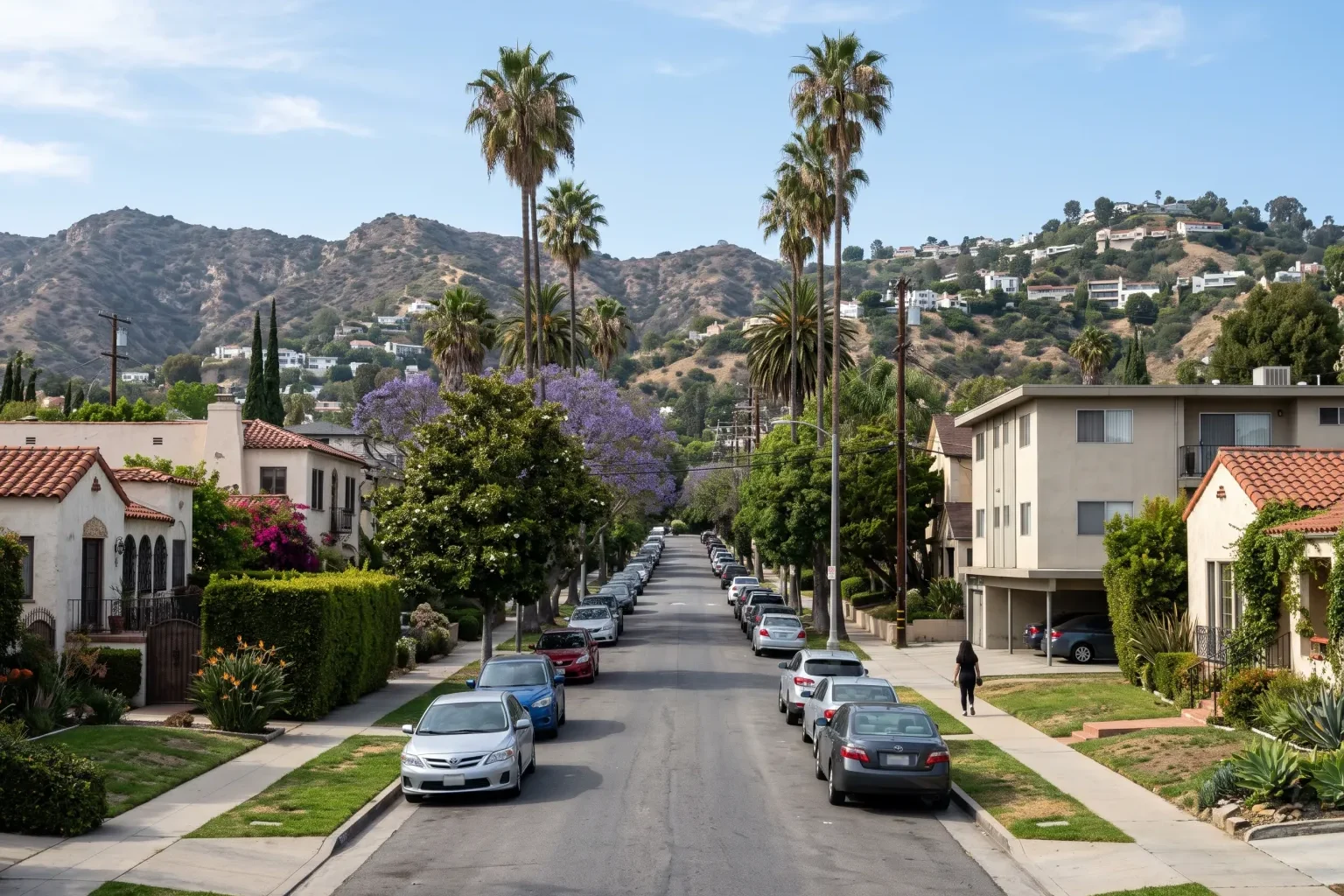
West Hollywood is close to an ideal setting for a heat pump. Winters here stay mild, summers are warm without the extremes of the inland valleys, and many homes either lack air conditioning or rely on a tired gas furnace and window units. One heat pump system can take over both jobs. Climvanta designs and installs ducted and ductless heat pumps for houses, duplexes and condos in the city, coming from our shop in Tarzana about 12 miles northwest. Below is how we approach these projects in a dense, older urban setting.
Why the local climate favors heat pumps
Los Angeles has a Mediterranean climate with dry summers and mild winters, and areas closer to the coast stay cooler in summer than the valleys. For West Hollywood, that means heating demand is light and cooling demand is moderate, with occasional hot spells when fall Santa Ana winds blow. A heat pump works most efficiently in exactly those conditions: it rarely has to stretch to cover a deep cold snap, and it handles warm afternoons as well as a conventional air conditioner.
For owners who have gone without AC, the change can be significant. A single installation adds cooling and replaces the furnace or wall heater at the same time.
Picking the right setup for your building
Building type matters more than anything else in this city. Here is how the options usually line up:
- Bungalow with attic or crawlspace ducts: a ducted heat pump with an air handler in place of the old furnace
- Duplex or fourplex with no ductwork: a multi-zone ductless system with heads in main rooms
- Condo with a closet furnace: a compact air handler on existing ducts, with the outdoor unit placed where the HOA permits
- Studio or small unit: a single-zone ductless system that cools and heats the whole space
- Home with a hard-to-reach bedroom: a central system plus one ductless head for that room
Electrical, placement and HOA questions
Switching from gas heat to a heat pump puts more load on your electrical service. Many older buildings have small panels, and in multi-unit buildings each unit's service may be limited. We check available capacity before recommending equipment. Some homes need only a dedicated circuit; others need a panel upgrade, which can add time and permit steps.
The outdoor unit needs space, airflow and a location that will not disturb neighbors. In this city that may mean a wall bracket, a narrow side yard pad, or the roof. For condos, HOA approval often comes first, and we can supply the equipment specifications, sound levels and mounting details associations typically ask for.
Rebates and the rules behind them
Equipment rebates depend on the utility serving your address. Many homes outside the City of Los Angeles are served by Southern California Edison rather than LADWP, so we check which one serves your building and confirm the current offer before quoting it. If you are an LADWP residential customer, its Consumer Rebate Program covers qualifying heat pump systems, with the amount based on SEER2 and HSPF2 ratings and the application filed within 12 months after purchase and installation.
The federal 25C tax credit applied only to qualifying heat pumps placed in service before December 31, 2025, so it does not help with new installations now. On the gas side, South Coast AQMD Rule 1111 limits NOx emissions from new gas furnaces and is moving toward zero-emission requirements, which makes a heat pump a forward-looking choice.
From survey to startup
We begin with a site survey and load calculation for each zone, accounting for windows, top-floor exposure, shared walls and how you use each room. Then we confirm equipment, electrical work, permits and any HOA sign-off. Installation usually runs one to three days depending on the number of zones and whether ducts need changes.
At startup we verify refrigerant charge, airflow, drainage and defrost operation, and set up controls. We also explain how a heat pump heats differently from a gas furnace: the air from the vents feels warm rather than hot, and the system runs longer at lower output, which keeps rooms more even.
More services in West Hollywood
- AC Repair in West Hollywood
- Heating Repair in West Hollywood
- AC Installation in West Hollywood
- Furnace Repair in West Hollywood